普通高中课程标准实验教科书 英语选修6 Unit 1 Art-Reading
时间:2018-12-04 作者:英语课 分类:高中二年级英语
英语课
Art is influenced by the customs and faith of a people. Styles in Western art have changed many times. As there are so many different styles of Western art, it would be impossible to describe all of them in such a short text. Consequently 1, this text will describe only the most important ones, starting from the sixth century AD.
The Middle Ages (5th to the 15th century AD)

During the Middle Ages, the main aim of painters was to represent religious themes. A conventional 2 artist of this period was not interested in showing nature and people as they really were. A typical picture at this time was full of religious symbols, which created feeling of respect and love for God. But it was evident 3 that ideas were changing in the 13th century when painters like Giotto di Bondone began to paint religious scenes in a more realistic way.
The Renaissance 4 (15th to 16th century)
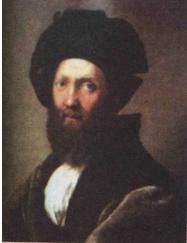
During the Renaissance, new ideas and values graduallv replaced those held in the Middle Ages.People began to concentrate less on religious themes and adopt a more humanistic attitude to life. At the same time painters returned to classical Roman and Greek ideas about art. They tried to paint people and nature as they really were. Rich people wanted to possess their own paintings, so they could decorate their superb 5 palaces and great houses. They paid famous artists to paint pictures of themselves, their houses and possessions as well as their activities and achievements.
One of the most important discoveries during this period was how to draw things in perspective 6. This technique was first used by Masaccio in 1428. When people first saw his paintings, they were convinced 7 that they were looking through a hole in a wall at a real scene. If the roles of perspective had not been discovered, no one would have been able to paint such realistic pictures. By coincidence, oil paints were also developed at this time, which made the colours used in paintings look richer and deeper. Without the new paints and the new technique, we would not be able to see the many great masterpieces for which this period is famous.
Impressionism (late 19th to early 20th century)
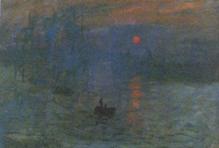
In the late 19th century, Europe changed a great deal. from a mostly agricultural society to a mostly industrial one. Many people moved from the countryside to the new cities. There were many new inventions and social changes. Naturally, these changes also led to new painting styles. Among the painters who broke away from the traditional style of painting were the Impressionists, who lived and worked in Paris.
The Impressionists were the first painters to work outdoors. They were eager to show how light and shadow fell on objects at different times of day. However, because natural light changes so quickly, the Impressionists had to paint quickly. Their paintings were not as detailed 8 as those of earlier painters. At first, many people disliked this style of painting and became very angr about it. They said that the painters were careless and their paintings were ridiculous.
Modern Art (20th century to today)
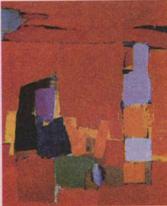
At the time they were created, the Impressionist paintings were controversial 9, but today they are accepted as the beginning of what we call "modem 10 art". This is because the Impressionists encouraged artists to look at their environment in new ways. There are scores of modern art styles, but without the Impressionists, many of these painting styles might not exist. On the one hand, some modem art is abstract 11; that is, the painter does not attempt to paint objects as we see them with our eyes, but instead concentrates on certain qualities of the object, using colour, line and shape to represent them. On the other hand, some paintings of modern art are so realistic that they look like photographs. These styles are so different. Who can predict what painting styles there will be in the future?
The Middle Ages (5th to the 15th century AD)
During the Middle Ages, the main aim of painters was to represent religious themes. A conventional 2 artist of this period was not interested in showing nature and people as they really were. A typical picture at this time was full of religious symbols, which created feeling of respect and love for God. But it was evident 3 that ideas were changing in the 13th century when painters like Giotto di Bondone began to paint religious scenes in a more realistic way.
The Renaissance 4 (15th to 16th century)
During the Renaissance, new ideas and values graduallv replaced those held in the Middle Ages.People began to concentrate less on religious themes and adopt a more humanistic attitude to life. At the same time painters returned to classical Roman and Greek ideas about art. They tried to paint people and nature as they really were. Rich people wanted to possess their own paintings, so they could decorate their superb 5 palaces and great houses. They paid famous artists to paint pictures of themselves, their houses and possessions as well as their activities and achievements.
One of the most important discoveries during this period was how to draw things in perspective 6. This technique was first used by Masaccio in 1428. When people first saw his paintings, they were convinced 7 that they were looking through a hole in a wall at a real scene. If the roles of perspective had not been discovered, no one would have been able to paint such realistic pictures. By coincidence, oil paints were also developed at this time, which made the colours used in paintings look richer and deeper. Without the new paints and the new technique, we would not be able to see the many great masterpieces for which this period is famous.
Impressionism (late 19th to early 20th century)
In the late 19th century, Europe changed a great deal. from a mostly agricultural society to a mostly industrial one. Many people moved from the countryside to the new cities. There were many new inventions and social changes. Naturally, these changes also led to new painting styles. Among the painters who broke away from the traditional style of painting were the Impressionists, who lived and worked in Paris.
The Impressionists were the first painters to work outdoors. They were eager to show how light and shadow fell on objects at different times of day. However, because natural light changes so quickly, the Impressionists had to paint quickly. Their paintings were not as detailed 8 as those of earlier painters. At first, many people disliked this style of painting and became very angr about it. They said that the painters were careless and their paintings were ridiculous.
Modern Art (20th century to today)
At the time they were created, the Impressionist paintings were controversial 9, but today they are accepted as the beginning of what we call "modem 10 art". This is because the Impressionists encouraged artists to look at their environment in new ways. There are scores of modern art styles, but without the Impressionists, many of these painting styles might not exist. On the one hand, some modem art is abstract 11; that is, the painter does not attempt to paint objects as we see them with our eyes, but instead concentrates on certain qualities of the object, using colour, line and shape to represent them. On the other hand, some paintings of modern art are so realistic that they look like photographs. These styles are so different. Who can predict what painting styles there will be in the future?
1 consequently
adv.因此,因而,所以
- She was a bright and eager student and,consequently,did well in school.她是个聪明好学的学生,因此学习成绩很好。
- The company went bankrupt and consequently he lost his job.公司破产,因此他失业了。
2 conventional
adj.普通的,常规的;符合习俗的,因循守旧的
- After a conventional opening remarks,he made a brilliant speech.在一个常规的开场白后,他做了个很精彩的演讲。
- It is simpler and quicker to use than conventional methods.这比通常的做法更简单、更快捷。
3 evident
adj.明显的,显然的,明白的
- It's evident to me that they have no experience in this work.在我看来,他们干这项工作没有经验是显而易见的。
- The prospect became more evident.前景变得更加明朗了。
4 renaissance
n.复活,复兴,文艺复兴
- The Renaissance was an epoch of unparalleled cultural achievement.文艺复兴是一个文化上取得空前成就的时代。
- The theme of the conference is renaissance Europe.大会的主题是文艺复兴时期的欧洲。
5 superb
adj.高贵的,壮丽的,极好的
- The large bay has a superb backdrop of mountains.大海湾背靠着庄严的山脉。
- The hotel has a large dining room serving superb local cuisine.饭店有一个大餐厅供应上好的当地菜肴。
6 perspective
n.视角,观点,想法
- You can get a perspective of the whole city from here.从这里你可以看到城市的全景。
- We may get a clear perspective of the people's happy lives.我们知道人民对幸福生活的展望。
7 convinced
adj.确信的;深信的;有坚定信仰的v.使确信(convince的过去分词);说服
- I am convinced of her innocence. 我坚信她是清白无辜的。
- I'm convinced there's a jinx on this car. 我看这辆汽车是灾星。
8 detailed
adj.详细的,详尽的,极注意细节的,完全的
- He had made a detailed study of the terrain.他对地形作了缜密的研究。
- A detailed list of our publications is available on request.我们的出版物有一份详细的目录备索。
9 controversial
adj.引起争论的,有争议的
- The topic of argument is controversial.这个议题是很有争议的。
- Immigration is a controversial issue in many countries.在很多国家,移民都是一个颇有争议的问题。